A practical guide for parents who want to align learning with how the brain actually develops
Most parents who choose homeschooling want something better for their child—more freedom, more connection, more individualized learning.
But many end up recreating school at home: same schedules, same curriculum, same pressure to “keep up.”
The environment changes… but the model stays the same.
If you want your homeschool to truly be different, it helps to understand one thing:
Learning doesn’t come from curriculum. It comes from the brain.
And the brain doesn’t develop in neat, standardized timelines.
Research in Neuroscience and Developmental Psychology shows that children learn best through experience, safety, and meaningful engagement—not pressure or memorization.
Here’s how to actually apply that at home.
1. Start with Emotional Safety
Before a child can focus, think, or retain information, their nervous system has to feel safe.
When a child is overwhelmed, anxious, or resisting everything, their brain is not in “learning mode”—it’s in survival mode.
This idea is supported by Polyvagal Theory, which explains how stress directly impacts a child’s ability to learn.
What this looks like in real life:
- Don’t push lessons during meltdowns or resistance
- Slow down and connect first
- Use simple regulation tools (breathing, quiet time, closeness)
A regulated child learns faster than a pressured one.
2. Follow Development, Not Grade Level
One of the biggest shifts in neuroscience-based homeschooling is this:
Children are not behind—they are developing.
The work of Jean Piaget shows that young children learn through play and imagination, and are not ready for abstract thinking too early.
What this means for your homeschool:
- Early years (roughly 3–6): focus on play, movement, language, and exploration
- Introduce formal academics when your child shows readiness or interest
- Stop comparing your child to grade-level expectations
You’re not delaying learning—you’re building the foundation for deeper understanding later.
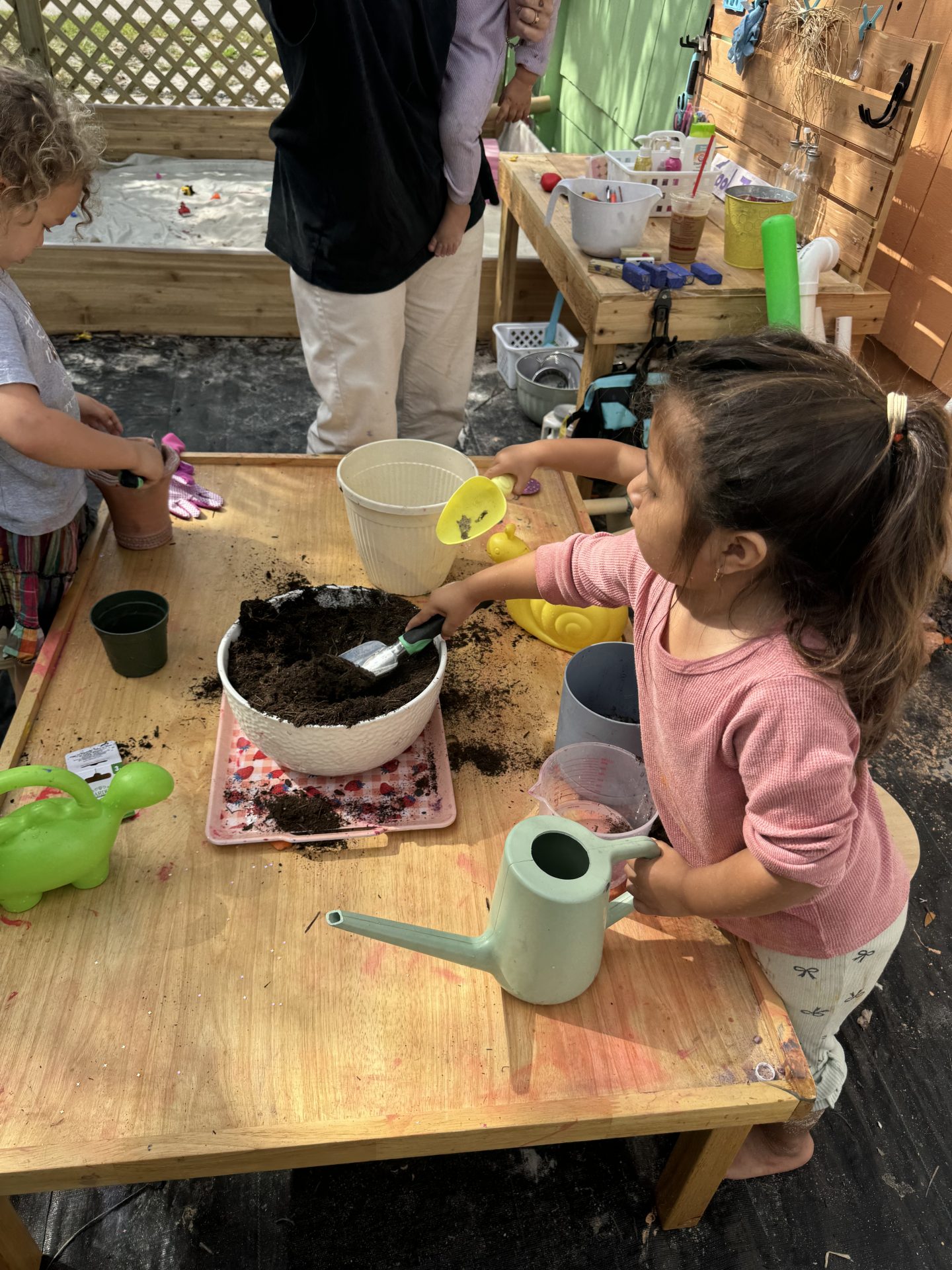
3. Replace Worksheets with Real Experiences
The brain learns by doing, not just by seeing or hearing. This is called neuroplasticity—the brain strengthening connections through repeated, meaningful experiences.
- Worksheets for counting → count while cooking or building
- Memorizing science → do simple experiments
- Writing drills → storytelling, drawing, labeling real objects
Children remember what they experience—not what they are told once.
4. Use Interests as the Entry Point
Emotion drives attention, and attention drives learning. If a child is interested in something, their brain is more engaged, more focused, and more likely to retain information.
Practical example:
- Bugs → study habitats, counting, drawing, vocabulary
- Space → introduce physics concepts, storytelling, reading
- Cooking → math, sequencing, chemistry
You don’t need to force learning—you build around what already excites them.
5. Keep Short, Focused Skill Time
Reading and math are skills that benefit from repetition, consistency, and focused attention. But that doesn’t mean hours of work.
A brain-aligned approach:
- 10–20 minutes of focused reading or math
- 1:1 attention when possible
- Stop before frustration turns into shutdown
Consistency matters more than duration.
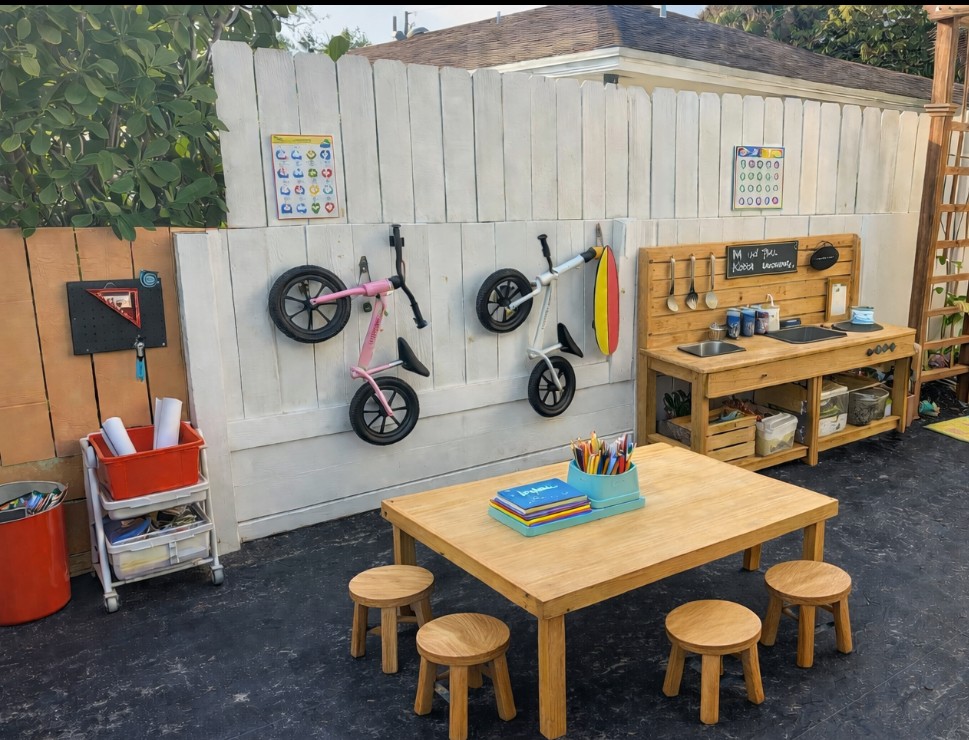
6. Prioritize Movement and Outdoor Time
The brain and body work together. Movement helps improve memory, increase focus, and regulate emotions.
Daily rhythm should include:
- Outdoor play
- Climbing, running, balancing
- Nature exploration
Sitting for long periods is not how young brains are designed to learn.
7. Go Deep Instead of Fast
Traditional education focuses on finishing material. But real learning happens when a child explores a topic deeply, asks questions, and connects ideas.
Instead of asking: “Did we finish the lesson?”
Ask: “Did my child understand and connect with this?”
Slower learning often leads to stronger understanding.
8. Create a Simple, Flexible Daily Rhythm
You don’t need a rigid schedule—but you do need a rhythm.
Example:
- Morning connection (talk, read, slow start)
- Short skill time (reading/math)
- Hands-on activity or project
- Outdoor play
- Lunch + rest
- Creative or interest-based exploration
Structure supports the brain—but flexibility respects it.