One of the most common questions parents ask is simple.
“When will my child learn to read?”
In many traditional schools reading instruction begins very early. Children are often asked to memorize sight words, complete worksheets, and practice reading long before their brains are fully ready for abstract language systems.
At The Canopy School we take a different approach. We do teach the foundations of reading early, but we delay the traditional academic model until children are developmentally ready. This decision is based on how the brain actually develops in early childhood.
Reading Is Built on Language
Reading is not simply recognizing letters on a page. It is a complex process that depends on several brain systems working together. Before a child can read comfortably they need strong language skills. They need to understand sounds, vocabulary, rhythm, and meaning.
In early childhood the brain is in a period of rapid language growth. Children are absorbing words, patterns, and stories through conversation and play. When we strengthen language first, reading becomes much easier later.
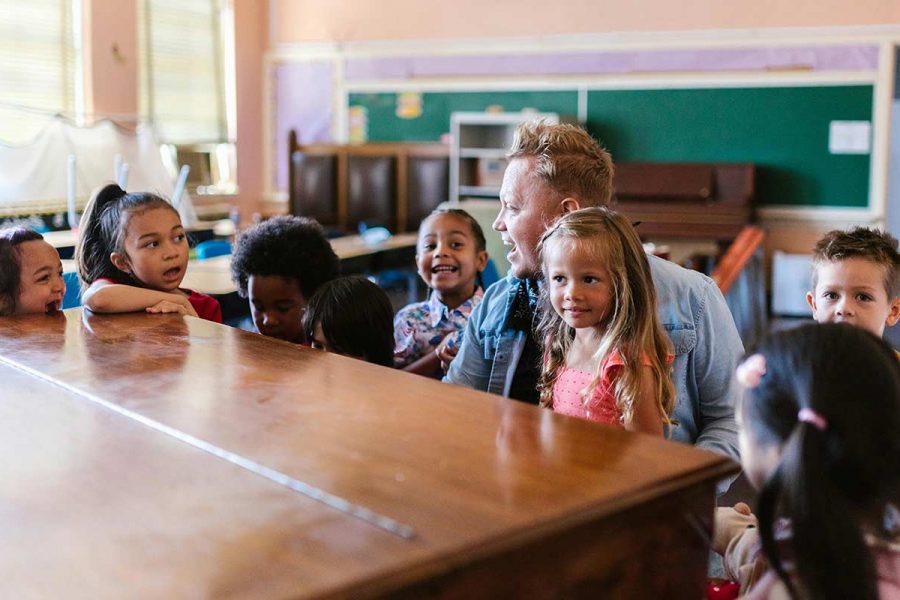
At The Canopy School we focus heavily on language development during the early years. Our classrooms are filled with storytelling, songs, rhymes, conversation, and dramatic play. Children hear rich language throughout the day and practice expressing their own ideas.
These experiences build the foundation that reading depends on.
Sound Awareness Comes Before Reading
Before children read words they must understand that words are made of sounds. This skill is called phonological awareness.
Instead of jumping straight into reading instruction, we introduce playful sound activities such as:
• rhyming games
• identifying beginning sounds
• clapping syllables
• singing rhythmic songs
• listening to stories and predicting what comes next
These activities strengthen the brain’s ability to hear and manipulate sounds. When that skill is strong, decoding written words becomes much easier.
Why We Delay Formal Reading Instruction
Research and international education models show that children learn reading most efficiently when their brains are developmentally ready.
In countries like Finland, formal reading instruction often begins around age seven. Before that time the focus is on language, imagination, play, and social development. Despite starting later, Finnish students consistently rank among the strongest readers in the world.
This happens because children build the necessary brain systems before they are asked to read.
Early childhood is a time when the brain is especially tuned for exploration, movement, creativity, and social learning. When we push formal academics too early, it can interfere with these critical developmental processes.
By allowing children to build strong language, attention, and emotional regulation first, reading tends to emerge naturally and quickly once instruction begins.
Individualized Reading Support
Although we delay the traditional classroom reading model, we still provide individualized support for children who show interest or readiness.
Teachers may offer short one on one lessons that introduce letter sounds, word building, or early reading practice. These lessons are brief, playful, and tailored to each child’s developmental stage.
This approach allows advanced learners to move forward while ensuring that other children are not pressured before they are ready.
Learning Through Play and Exploration
Many of the experiences that look like play are actually strengthening the brain systems needed for reading.
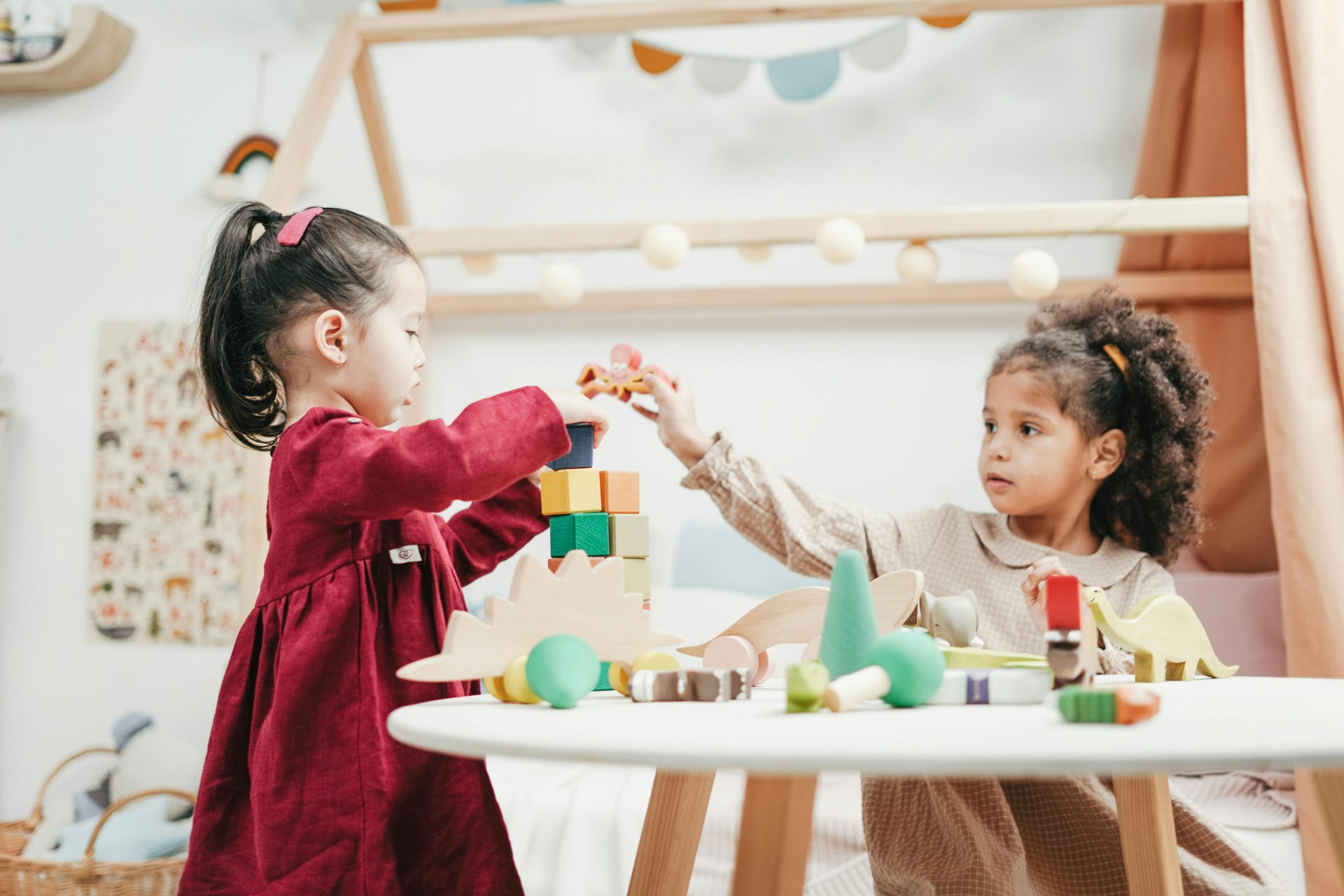
When children build with blocks they develop spatial awareness and problem solving. When they tell stories during imaginative play they practice language structure and vocabulary. When they sing songs they internalize rhythm and sound patterns.
These experiences build neural connections that later support reading comprehension and written language.
When Reading Begins
When children reach the stage where their brains are ready for more formal instruction, reading typically develops quickly. Because they already understand language deeply and recognize sound patterns, the transition to reading written words feels natural rather than forced.
Our goal is not simply for children to read early. Our goal is for them to become strong, confident readers who enjoy language and learning.
By respecting how the brain develops in early childhood, we create the conditions where reading can flourish.
At The Canopy School we believe that learning works best when it follows the natural rhythm of development. When we honor that rhythm, children not only learn to read. They learn to love learning itself.